

Operating a drum type concrete mixer requires a combination of technical knowledge, practical skills, and safety awareness. As a supplier of drum type concrete mixers, I have witnessed firsthand the importance of these skills in ensuring efficient and safe operation. In this blog post, I will discuss the key skills required to operate a drum type concrete mixer effectively.
1. Technical Knowledge
Understanding the Machine
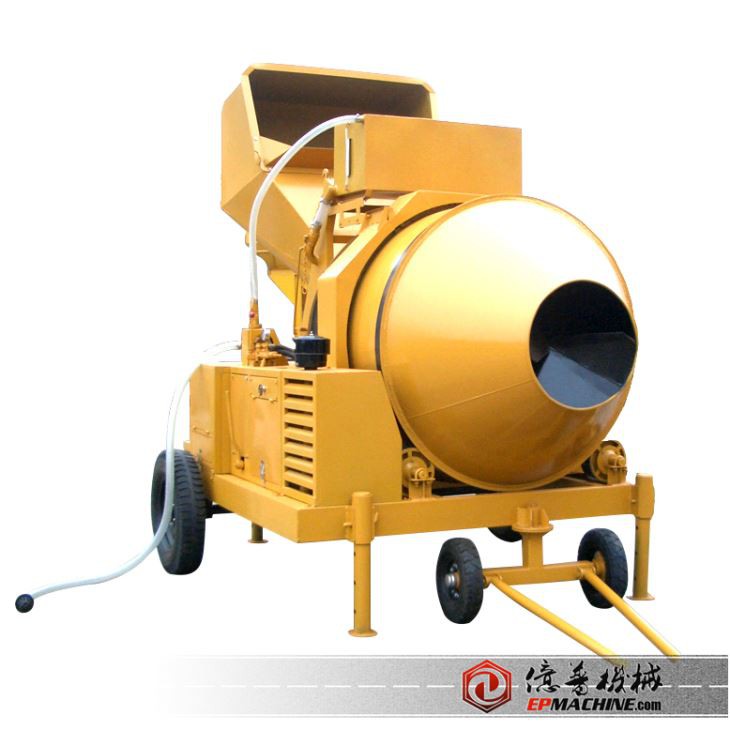
Before operating a drum type concrete mixer, it is essential to have a thorough understanding of its components and how they work. This includes knowledge of the drum, motor, gears, and control panel. Familiarize yourself with the manufacturer's manual, which provides detailed information about the mixer's specifications, operation, and maintenance.
The drum is the heart of the concrete mixer. It rotates to mix the ingredients thoroughly. Different mixers may have different drum sizes and shapes, which can affect the mixing efficiency. Understanding the capacity of the drum is crucial to ensure that you do not overload the machine.
The motor provides the power to rotate the drum. You should know the power rating of the motor and its electrical requirements. This knowledge will help you ensure that the mixer is connected to the appropriate power source and that the electrical system is safe.
The gears are responsible for transmitting the power from the motor to the drum. They need to be properly lubricated and maintained to ensure smooth operation. Understanding the gear ratio and how it affects the mixing speed is also important.
The control panel allows you to start, stop, and control the speed of the mixer. You should be familiar with the functions of each control button and switch. This knowledge will help you operate the mixer safely and efficiently.
Knowledge of Concrete Mixing
In addition to understanding the machine, you need to have a good understanding of concrete mixing. This includes knowledge of the different types of concrete ingredients, their proportions, and the mixing process.
Concrete is typically made up of cement, aggregates (such as sand and gravel), water, and sometimes additives. The proportions of these ingredients can vary depending on the type of concrete required. For example, a high-strength concrete may require a higher ratio of cement to aggregates.
The mixing process involves adding the ingredients to the drum in the correct order and at the right time. Generally, the aggregates are added first, followed by the cement, and then the water. The mixer should be run for a sufficient amount of time to ensure that the ingredients are thoroughly mixed.
Understanding the setting time of concrete is also important. Once the concrete is mixed, it has a limited time to be used before it starts to harden. You need to plan your work accordingly to ensure that the concrete is used before it sets.
2. Practical Skills
Loading and Unloading
One of the most important practical skills required to operate a drum type concrete mixer is the ability to load and unload the ingredients safely and efficiently. When loading the mixer, you need to ensure that the ingredients are added in the correct order and at the right quantity. This requires careful measurement and weighing of the materials.
Use a shovel or a conveyor belt to load the aggregates into the drum. Make sure that the aggregates are evenly distributed in the drum to ensure proper mixing. Then, add the cement and water according to the required proportions.
When unloading the concrete, you need to be careful not to spill it. Use a chute or a pump to direct the concrete to the desired location. Make sure that the chute or pump is properly positioned and secured to prevent any accidents.
Operating the Controls
Operating the controls of the drum type concrete mixer requires precision and attention to detail. You need to be able to start, stop, and control the speed of the mixer smoothly. This requires practice and familiarity with the control panel.

When starting the mixer, make sure that all the safety switches are in the correct position. Gradually increase the speed of the mixer to avoid sudden jolts. When stopping the mixer, allow it to slow down gradually before turning off the power.
You also need to be able to adjust the speed of the mixer according to the type of concrete being mixed. For example, a thicker concrete may require a slower mixing speed to ensure thorough mixing.
Maintenance and Troubleshooting
Regular maintenance is essential to keep the drum type concrete mixer in good working condition. This includes cleaning the drum, lubricating the gears, and checking the electrical system. You should follow the manufacturer's recommended maintenance schedule to ensure that the mixer is properly maintained.
In addition to regular maintenance, you need to be able to troubleshoot any problems that may arise. This requires knowledge of the common problems that can occur with a drum type concrete mixer and how to fix them. For example, if the mixer is not mixing the concrete properly, you may need to check the drum for any blockages or the gears for any damage.
3. Safety Awareness
Personal Protective Equipment (PPE)
Safety should always be the top priority when operating a drum type concrete mixer. One of the most important safety measures is to wear the appropriate personal protective equipment (PPE). This includes safety glasses, gloves, hard hats, and steel-toed boots.
Safety glasses protect your eyes from flying debris and dust. Gloves protect your hands from cuts, abrasions, and chemicals. Hard hats protect your head from falling objects. Steel-toed boots protect your feet from heavy objects and sharp edges.
Safe Operating Procedures
In addition to wearing PPE, you need to follow safe operating procedures when using a drum type concrete mixer. This includes keeping a safe distance from the moving parts of the mixer, avoiding overloading the machine, and ensuring that the mixer is properly grounded.
Do not reach into the drum while the mixer is running. This can result in serious injuries. If you need to clean the drum or make any adjustments, make sure that the mixer is turned off and the power is disconnected.
Avoid overloading the mixer. Overloading can cause the motor to overheat and damage the machine. Make sure that you do not exceed the maximum capacity of the drum.
Ensure that the mixer is properly grounded. This helps to prevent electrical shocks and fires. Check the grounding wire regularly to make sure that it is in good condition.
4. Training and Certification
Importance of Training
Proper training is essential for anyone who operates a drum type concrete mixer. Training provides you with the knowledge and skills you need to operate the machine safely and efficiently. It also helps you to understand the importance of safety and maintenance.
Many manufacturers offer training programs for their drum type concrete mixers. These programs typically include classroom instruction and hands-on training. Classroom instruction covers topics such as the machine's components, operation, and maintenance. Hands-on training allows you to practice operating the mixer under the supervision of a trained instructor.
Certification
In some cases, certification may be required to operate a drum type concrete mixer. Certification demonstrates that you have the knowledge and skills necessary to operate the machine safely and efficiently. It also provides employers with confidence in your abilities.
There are several organizations that offer certification programs for concrete mixer operators. These programs typically include a written exam and a practical skills test. To obtain certification, you need to pass both the written exam and the practical skills test.
Conclusion
Operating a drum type concrete mixer requires a combination of technical knowledge, practical skills, and safety awareness. As a supplier of drum type concrete mixers, I encourage all operators to invest in proper training and certification. By doing so, you can ensure that you are operating the machine safely and efficiently, which will help to improve the quality of your work and reduce the risk of accidents.
If you are in the market for a drum type concrete mixer, we offer a wide range of high-quality Drum Concrete Mixer and Diesel Concrete Mixer to meet your needs. Our mixers are designed and manufactured to the highest standards of quality and reliability.
If you have any questions or would like to discuss your specific requirements, please feel free to contact us. We are here to help you find the right concrete mixer for your project.
References
- Manufacturer's manuals for drum type concrete mixers
- Industry standards and guidelines for concrete mixing and equipment operation
- Training materials provided by concrete mixer manufacturers and certification organizations