

Hey there! As a supplier of drum type concrete mixers, I often get asked about the noise level of these machines. It's a valid concern, especially if you're working in a residential area or a place where noise restrictions apply. In this blog post, I'm going to break down everything you need to know about the noise level of a drum type concrete mixer.
First off, let's talk about what a drum type concrete mixer is. A Drum Concrete Mixer is a common piece of equipment in the construction industry. It's used to mix cement, water, and aggregates to create concrete. The drum rotates, and as it does, the materials inside are mixed thoroughly. There are different types, like the Diesel Concrete Mixer, which is powered by a diesel engine, and electric ones.
Now, onto the noise. The noise level of a drum type concrete mixer can vary depending on several factors. One of the main factors is the size of the mixer. Larger mixers tend to be noisier because they usually have more powerful engines and bigger drums. For example, a small, portable drum mixer might have a relatively low noise level, while a large, industrial - scale mixer can be quite loud.
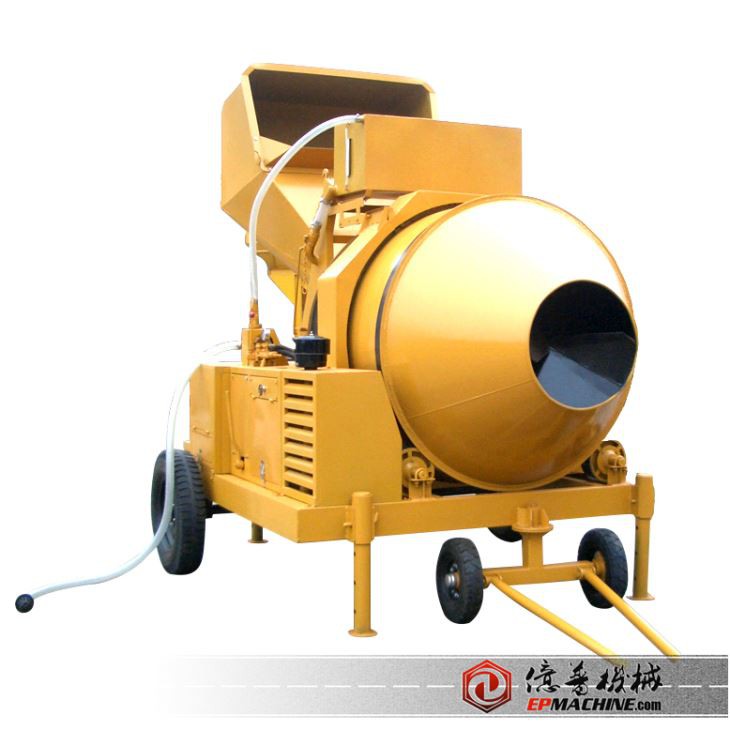
The engine type also plays a big role. Diesel engines are generally louder than electric motors. A Diesel Concrete Mixer makes a characteristic rumbling sound that can be quite intense. The combustion process in a diesel engine produces a lot of noise, and the vibration from the engine is transferred to the rest of the machine. On the other hand, electric drum mixers are usually quieter. They don't have the combustion noise, and the electric motor runs more smoothly.
Another factor is the age and condition of the mixer. An older mixer that's been used a lot might be noisier than a brand - new one. Over time, the moving parts can wear out, and this can lead to more rattling and vibration. If the bearings are worn, for example, they can make a screeching or grinding noise. Regular maintenance can help keep the noise level down. Things like lubricating the moving parts, tightening loose bolts, and replacing worn - out components can make a big difference.
The environment where the mixer is operating also affects the perceived noise level. If you're using the mixer in an open field, the noise might disperse more easily, and it won't seem as loud as if you're using it in a confined space like a small building or a basement. In a confined space, the sound waves bounce off the walls, creating an echo effect and making the noise seem louder.
So, what kind of noise levels are we talking about? Well, it's hard to give an exact number because of all the variables, but generally, a small electric drum mixer might operate at around 60 - 70 decibels (dB). That's about as loud as normal conversation. A medium - sized diesel mixer could be in the range of 80 - 90 dB. To put that in perspective, 85 dB is the level at which continuous exposure can start to cause hearing damage over time. And a large industrial drum mixer might reach 90 - 100 dB or even higher. That's as loud as a lawnmower or a motorcycle.
If you're worried about the noise level of your drum type concrete mixer, there are a few things you can do. First, you can choose an electric mixer if possible. As I mentioned earlier, they're generally quieter than diesel ones. Second, make sure the mixer is properly maintained. A well - maintained machine will run more smoothly and make less noise. You can also use noise - reducing equipment like sound barriers or mufflers. These can help to block or absorb some of the sound waves.

In some areas, there are noise regulations that you need to follow. If you're working in a residential area, for example, there might be restrictions on the hours when you can operate noisy equipment. It's important to check with your local authorities to make sure you're in compliance.
As a supplier of drum type concrete mixers, I understand that noise can be a concern for our customers. That's why we offer a range of options, including quieter electric mixers. We also provide maintenance tips and support to help you keep your mixer running smoothly and quietly.

If you're in the market for a drum type concrete mixer and you have questions about the noise level or any other aspect of our products, don't hesitate to reach out. We're here to help you find the right mixer for your needs. Whether you're a small construction company or a large industrial firm, we have the expertise and the products to meet your requirements.
Contact us today to start the conversation about your concrete mixing needs. We can discuss your project, the noise requirements, and find the perfect drum type concrete mixer for you. Let's work together to get your construction projects off the ground with the best equipment available.
References
- Construction Equipment Noise Guidelines, Local Building Regulations
- Manufacturer's Specifications for Drum Type Concrete Mixers