

Hey there, fellow construction enthusiasts! I'm a supplier of stationary concrete pumps, and I know how crucial it is to take good care of these machines, especially during the off - season. In this blog, I'll share some tips on how to store a stationary concrete pump properly to ensure it's in top - notch condition when the next construction season rolls around.
Why Proper Storage Matters
Before we dive into the actual storage process, let's talk about why it's so important. A stationary concrete pump is a significant investment, and improper storage can lead to all sorts of problems. Rust, corrosion, and damage to internal components can occur if the pump isn't stored correctly. This not only shortens the lifespan of the pump but also means more money spent on repairs and maintenance down the line. So, taking the time to store your pump properly is definitely worth it.
Pre - Storage Preparation
The first step in storing a stationary concrete pump is pre - storage preparation. This involves a thorough cleaning and inspection of the pump.
Cleaning
Cleaning the pump is crucial to prevent the buildup of concrete, which can harden and cause blockages over time. Start by flushing the pump with water to remove as much concrete as possible. You can use a high - pressure water hose to get into all the nooks and crannies. Pay special attention to the hopper, pipes, and valves.
After flushing with water, use a concrete cleaner to remove any stubborn residue. Make sure to follow the manufacturer's instructions when using the cleaner. Once the cleaner has done its job, rinse the pump again with clean water.
Inspection
Once the pump is clean, it's time for a detailed inspection. Check for any signs of wear and tear, such as cracks in the pipes, leaks in the hoses, or damage to the electrical components. If you find any issues, it's best to address them before storing the pump. This might involve replacing worn - out parts or making minor repairs.
Also, check the oil levels in the hydraulic system and the engine. If the oil is dirty or low, change it according to the manufacturer's recommendations.
Choosing the Right Storage Location
The location where you store your stationary concrete pump can have a big impact on its condition during the off - season.
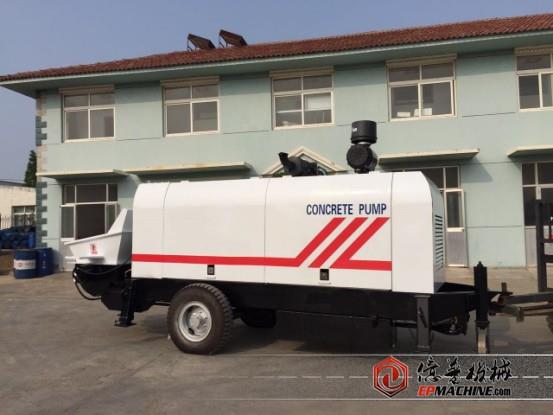

Indoor Storage
If possible, store the pump indoors. An enclosed warehouse or garage provides protection from the elements, such as rain, snow, and extreme temperatures. Indoor storage also reduces the risk of theft and vandalism.
Make sure the storage area is clean, dry, and well - ventilated. Avoid storing the pump near any sources of heat or moisture, as this can cause damage to the pump's components.
Outdoor Storage
If indoor storage isn't an option, outdoor storage can work, but you'll need to take extra precautions. Choose a flat, elevated area to prevent water from pooling around the pump. Cover the pump with a heavy - duty, waterproof tarp to protect it from the weather. Secure the tarp tightly to prevent it from blowing off in strong winds.
Protecting the Pump's Components
Once you've chosen the storage location, it's time to protect the pump's components.
Engine
The engine is the heart of the stationary concrete pump, so it needs special attention. Add a fuel stabilizer to the fuel tank to prevent the fuel from deteriorating over time. Run the engine for a few minutes to circulate the stabilized fuel throughout the system.
Disconnect the battery and store it in a cool, dry place. Make sure to charge the battery periodically to prevent it from losing its charge.
Hydraulic System
The hydraulic system is another critical component. Check the hydraulic fluid level and top it up if necessary. Add a hydraulic fluid conditioner to protect the system from corrosion and wear.
Seal the hydraulic hoses and connectors to prevent dirt and moisture from getting in. You can use plastic caps or tape to seal them.
Pipes and Hoses
Inspect the pipes and hoses for any signs of damage or wear. If you find any issues, replace the damaged parts. Wrap the pipes and hoses with a protective material, such as foam or rubber, to prevent them from getting damaged during storage.
Additional Tips
Here are some additional tips to keep in mind when storing a stationary concrete pump:
- Lubricate all moving parts, such as the bearings and joints, to prevent rust and corrosion.
- Remove any accessories or attachments from the pump and store them separately. This makes it easier to transport the pump and reduces the risk of damage to the accessories.
- Keep a record of the storage process, including the date of storage, the cleaning and inspection results, and any repairs or maintenance performed. This information can be useful when it's time to bring the pump back into service.
When the Off - Season Ends
When the off - season is over and it's time to start using the stationary concrete pump again, there are a few things you need to do.
First, remove the pump from storage and inspect it again. Check for any signs of damage that may have occurred during storage. Reconnect the battery and fill the fuel tank with fresh fuel.
Run the engine and the hydraulic system for a few minutes to warm them up. Check the oil levels and the hydraulic fluid levels again. Make sure all the components are working properly before using the pump on a construction site.
Conclusion
Storing a stationary concrete pump during the off - season is an important part of pump maintenance. By following these tips, you can ensure that your pump stays in good condition and is ready to go when you need it.
If you're in the market for a new stationary concrete pump, we have a great selection available. Check out our Shotcrete Pump For Sale, HBT40 Concrete Pump, and HBT60 Concrete Pump. If you have any questions or want to discuss your specific needs, don't hesitate to reach out. We're here to help you find the perfect concrete pump for your construction projects.
References
- Manufacturer's manuals for stationary concrete pumps
- Industry best practices for construction equipment storage.