

Hey there! As a supplier of Concrete Trailer Pumps, I'm super stoked to share with you all the ins and outs of operating these bad boys. Whether you're a seasoned pro in the construction game or just getting your feet wet, this guide'll walk you through everything you need to know.
Pre - operation Checks
Before you even think about firing up that Concrete Trailer Pump, you gotta do some pre - operation checks. First off, take a good look at the whole machine. Check for any obvious signs of damage like cracks in the frame or leaks in the hoses. You don't wanna start pumping and then have a major issue halfway through the job.
Next, check the oil levels. Just like your car, the Concrete Trailer Pump needs the right amount of oil to run smoothly. Make sure the hydraulic oil, engine oil, and lubricating oil are all at the proper levels. Low oil can lead to overheating and serious damage to the pump.
Inspect the hoses too. Look for any signs of wear and tear, like cuts or bulges. A damaged hose can burst under pressure, which is not only dangerous but can also cause a big mess on the job site. And don't forget to check the connections. Make sure all the hoses are tightly connected to the pump and the delivery pipes.
Starting Up the Pump
Once you've done your pre - operation checks and everything looks good, it's time to start up the pump. First, turn on the power supply. This could be a generator or a direct electrical connection, depending on your setup.
After that, start the engine. Let it warm up for a few minutes. This gives all the components a chance to get lubricated and reach their optimal operating temperature. During the warm - up, listen for any strange noises. If you hear anything out of the ordinary, shut down the engine right away and check what's going on.
Now, it's time to prime the pump. This is an essential step. You need to fill the pump and the hoses with a lubricating fluid, usually a mixture of water and a special additive. Priming helps to reduce friction and ensures a smooth flow of concrete. Just pour the priming fluid into the hopper and let it circulate through the system.
Pumping Concrete
Okay, so you've got the pump up and running, and it's time to start pumping concrete. First, load the concrete into the hopper. Make sure the concrete is of the right consistency. If it's too dry, it won't flow properly through the pump. If it's too wet, it might cause segregation and affect the quality of the finished product.
As the concrete is being pumped, keep an eye on the pressure gauge. The pressure should stay within the recommended range. If the pressure gets too high, it could mean there's a blockage in the hoses or the delivery pipes. If this happens, stop the pump immediately and try to clear the blockage.
You also need to monitor the flow rate. Adjust it according to the requirements of the job. If you're pumping concrete over a long distance or to a high elevation, you might need to slow down the flow rate to maintain the pressure.
Stopping the Pump
When you're done pumping concrete, it's important to stop the pump properly. First, stop feeding concrete into the hopper. Let the pump run for a few more minutes to empty the remaining concrete from the system.
Then, flush the pump and the hoses with water. This helps to remove any leftover concrete and prevents it from hardening inside the system. You can use a high - pressure water source to do this. Make sure to flush all the components thoroughly.
Finally, turn off the engine and the power supply. And don't forget to clean up the hopper and the surrounding area. Leaving concrete residue can lead to corrosion and damage to the pump over time.
Maintenance Tips
Regular maintenance is key to keeping your Concrete Trailer Pump in top shape. After each use, clean the pump and the hoses as I mentioned before. But also, do some more in - depth maintenance on a regular basis.
Change the oil and the filters according to the manufacturer's recommendations. This helps to keep the engine and the hydraulic system running smoothly. Check the belts and chains for tension and wear. Replace them if they're too loose or worn out.
Inspect the valves and the pistons regularly. These are critical components of the pump, and any damage or malfunction can affect its performance. And if you notice any problems, don't try to fix them yourself if you're not qualified. Call in a professional technician.
Our Concrete Trailer Pump Models
We offer a range of high - quality Concrete Trailer Pumps, including the HBT60 Concrete Pump and the HBT40 Concrete Pump. These pumps are designed to be reliable, efficient, and easy to operate. You can check out more details about our Concrete Trailer Pump on our website.
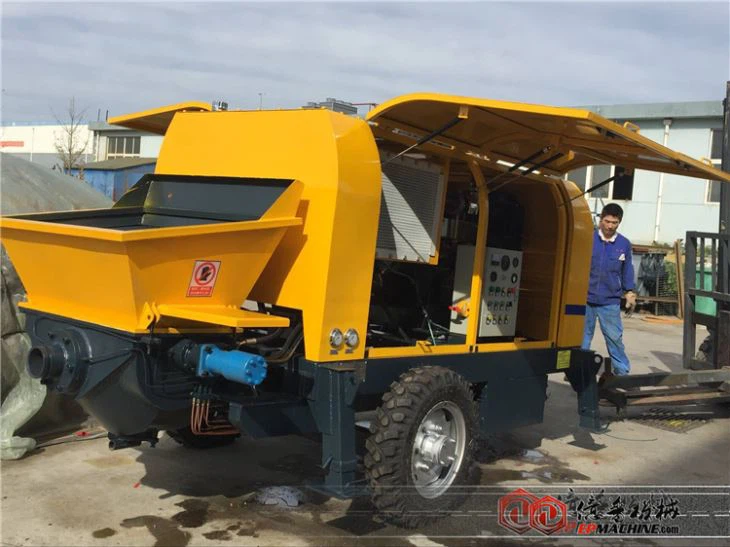

If you're in the market for a Concrete Trailer Pump, or if you have any questions about operating or maintaining these pumps, don't hesitate to reach out. We're here to help you make the right choice and ensure that your construction projects run smoothly.
Conclusion
Operating a Concrete Trailer Pump isn't rocket science, but it does require some knowledge and attention to detail. By following the steps I've outlined in this guide, you can ensure that your pump operates safely and efficiently. And if you're interested in purchasing a Concrete Trailer Pump, we're here to assist you every step of the way. So, get in touch and let's start talking about your concrete pumping needs!
References
- Construction Equipment Handbook
- Concrete Pump Manufacturer's Manuals