

Hey there! As a supplier of stationary concrete pumps, I know how crucial it is to keep these machines clean. A well-maintained stationary concrete pump not only lasts longer but also performs at its best. So, let's dive into how to clean a stationary concrete pump.
Pre - cleaning Preparations
Before you start cleaning, safety first! Make sure the pump is turned off and disconnected from the power source. This prevents any accidental starts while you're working on it. Also, wear appropriate safety gear like gloves and goggles. Concrete can be abrasive and can cause skin and eye irritation.
Next, gather your cleaning tools. You'll need a pressure washer, a variety of brushes (both stiff and soft), a hose, and some cleaning agents. There are special concrete - cleaning chemicals available in the market that can break down the hardened concrete more effectively.
Cleaning the Hopper
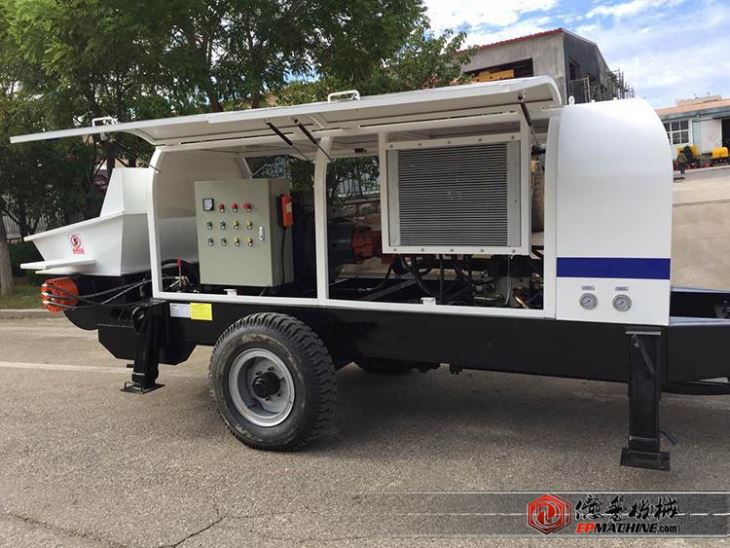
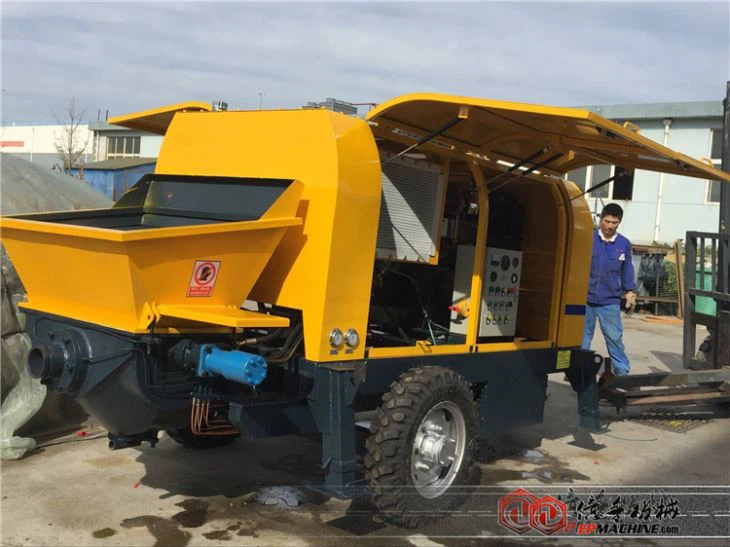
The hopper is where the concrete is initially loaded into the pump. Over time, it can accumulate a lot of concrete residue. Start by removing any large chunks of concrete manually. You can use a shovel or a similar tool for this.
Once the big pieces are out, use a pressure washer to blast away the remaining concrete. Hold the pressure washer at a safe distance to avoid damaging the hopper. Make sure to get into all the corners and crevices. If there are stubborn spots, apply the cleaning agent and let it sit for a few minutes. Then, scrub the area with a stiff brush.
Cleaning the Pumping Cylinders
The pumping cylinders are the heart of the stationary concrete pump. They need to be cleaned thoroughly to ensure smooth operation. First, release the pressure in the cylinders according to the manufacturer's instructions.
After that, use a soft brush and the cleaning agent to clean the inner walls of the cylinders. Be gentle to avoid scratching the surface. Rinse the cylinders with water from the hose to remove the loosened concrete and cleaning agent.
Cleaning the S - Valve
The S - valve is responsible for directing the flow of concrete within the pump. It can get clogged with concrete, which affects the pump's performance. To clean it, remove the S - valve from the pump. This may require some mechanical skills, so if you're not confident, it's best to consult a professional.
Once removed, soak the S - valve in a container filled with the cleaning agent. Let it soak for a while to loosen the concrete. Then, use a brush to scrub the valve clean. Rinse it thoroughly and reinstall it in the pump.
Cleaning the Pipes and Hoses
The pipes and hoses are used to transport the concrete from the pump to the construction site. They can also get blocked with concrete. Start by disconnecting the pipes and hoses from the pump.
Use the pressure washer to clean the inside of the pipes. Insert the pressure washer nozzle into the pipe and move it around to dislodge the concrete. For hoses, you can use a similar method. If there are still blockages, you may need to use a pipe snake or a similar tool to clear them.
Final Checks and Maintenance
After cleaning all the components, reassemble the pump. Check all the connections to make sure they are tight. Inspect the seals and gaskets for any signs of wear or damage. Replace them if necessary.
Lubricate all the moving parts according to the manufacturer's recommendations. This helps to reduce friction and extend the life of the pump.
Now, you might be wondering which stationary concrete pump is right for your project. We offer a range of high - quality pumps, such as the Concrete Trailer Pump, HBT60 Concrete Pump, and HBT40 Concrete Pump. These pumps are known for their reliability and efficiency.
If you're in the market for a stationary concrete pump or need more information about cleaning and maintenance, don't hesitate to reach out. We're here to help you make the best choice for your construction needs. Whether you're a small - scale contractor or a large construction company, we have the right pump for you.
References
- Manufacturer's manuals for stationary concrete pumps
- Industry best practices for concrete pump maintenance and cleaning
So, that's how you clean a stationary concrete pump. Keep your pump clean, and it will serve you well for years to come. If you have any questions or need further advice, feel free to contact us. We're always happy to assist!