

In the dynamic world of construction, transit mixers stand as indispensable workhorses, playing a pivotal role in ensuring that freshly mixed concrete reaches construction sites in optimal condition. As a leading transit mixer supplier, we understand the intricate components that make up these machines, and among them, the water tank holds a significant position. In this blog post, we will delve into the role of the water tank in a transit mixer, exploring its functions, importance, and the impact it has on the quality of the concrete produced.
Fundamental Functions of the Water Tank
The primary function of the water tank in a transit mixer is to store water that is essential for the concrete mixing process. Water is a vital ingredient in concrete, as it reacts with cement to initiate the hydration process, which is what gives concrete its strength and durability. The water tank provides a reliable source of water that can be accurately dosed into the mixer drum, ensuring that the concrete mix has the correct water - cement ratio.
Accurate water dosing is crucial for achieving the desired workability and strength of the concrete. If there is too little water, the concrete will be too stiff and difficult to work with, resulting in poor compaction and potentially weak structures. Conversely, if there is too much water, the concrete will be overly fluid, leading to segregation and a reduction in strength. The water tank, in conjunction with a precise water dosing system, allows for the addition of the exact amount of water required for each batch of concrete, based on factors such as the type of cement, aggregates, and the specific requirements of the construction project.
Water Maintenance during Transit
Another important role of the water tank is to maintain the quality of the concrete during transit. Concrete is a sensitive material, and its properties can change over time. As the transit mixer travels to the construction site, the concrete in the mixer drum continues to hydrate. To prevent the concrete from becoming too dry and losing its workability, small amounts of water can be added from the water tank at regular intervals.
This process, known as slump adjustment, helps to keep the concrete at the desired consistency. The water tank allows the driver or operator to make these adjustments on the go, ensuring that the concrete arrives at the construction site in a workable state. This is particularly important for long - distance deliveries, where the concrete may be in transit for an extended period.
Cleaning the Mixer Drum
After each batch of concrete has been discharged at the construction site, the mixer drum needs to be cleaned to prevent the buildup of hardened concrete. The water tank provides the necessary water for this cleaning process. A high - pressure water system, often connected to the water tank, is used to flush out the interior of the mixer drum.
Thorough cleaning of the mixer drum is essential for maintaining the performance and longevity of the transit mixer. If concrete residue is allowed to accumulate inside the drum, it can cause blockages, reduce the capacity of the drum, and even damage the mixing blades. By using the water from the tank for cleaning, we can ensure that the mixer drum is ready for the next batch of concrete, minimizing downtime and maximizing efficiency.
Impact on Concrete Quality
The role of the water tank in ensuring the quality of the concrete cannot be overstated. As mentioned earlier, the correct water - cement ratio is critical for the strength and durability of the concrete. By allowing for precise water dosing and slump adjustment, the water tank helps to produce concrete that meets the strict quality standards required in the construction industry.
In addition, the ability to clean the mixer drum effectively using water from the tank also contributes to the quality of the concrete. A clean mixer drum ensures that each new batch of concrete is not contaminated by the residue of the previous batch, which could affect the properties of the new mix. This is especially important for projects that require high - performance concrete, such as high - rise buildings and bridges.
Our Transit Mixers and Water Tanks
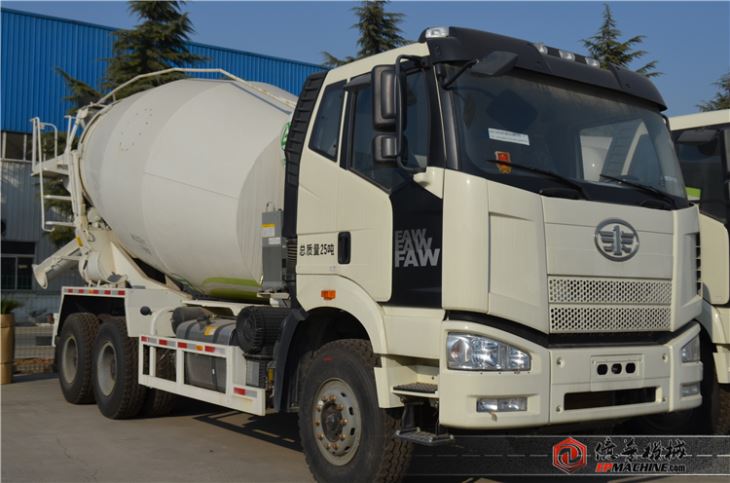
At our company, we are committed to providing high - quality transit mixers that are equipped with reliable water tanks. Our Howo Transit Mixer and Concrete Transit Mixer models are designed with advanced water dosing systems and large - capacity water tanks to meet the diverse needs of our customers.
Our water tanks are made from high - quality materials that are resistant to corrosion and damage, ensuring a long service life. They are also designed to be easily refillable, allowing for convenient operation. The water dosing systems are precision - engineered to provide accurate water delivery, ensuring that the concrete mix is of the highest quality.

Conclusion
In conclusion, the water tank in a transit mixer plays a multi - faceted and crucial role in the concrete mixing and delivery process. It provides the necessary water for mixing, maintains the quality of the concrete during transit, and facilitates the cleaning of the mixer drum. By ensuring accurate water dosing and effective cleaning, the water tank contributes significantly to the production of high - quality concrete.
If you are in the market for a reliable transit mixer, we invite you to explore our range of products. Our team of experts is ready to assist you in selecting the right transit mixer for your specific needs. Whether you are involved in small - scale construction projects or large - scale infrastructure developments, our transit mixers, with their well - designed water tanks, will help you achieve the best results. Contact us today to start a conversation about your concrete mixing requirements.
References
- Neville, A. M. (1995). Properties of Concrete. Pearson Education Limited.
- ACI Committee 211. (2009). Standard Practice for Selecting Proportions for Normal, Heavyweight, and Mass Concrete. American Concrete Institute.