

In the construction industry, concrete batching plants play a pivotal role in producing high - quality concrete efficiently. As a leading supplier of concrete batching plants, I am often asked about the feeding system in these plants. In this blog, I will delve into what the feeding system is, its components, and its significance in the overall operation of a concrete batching plant.
Understanding the Feeding System in a Concrete Batching Plant
The feeding system in a concrete batching plant is responsible for transporting various raw materials, such as aggregates (sand, gravel), cement, water, and additives, from their storage areas to the mixing unit. It is a crucial part of the plant as the quality and efficiency of the feeding process directly impact the quality and quantity of the concrete produced.
Components of the Feeding System
Aggregate Feeding
Aggregates are the largest component of concrete by volume. The aggregate feeding system typically consists of aggregate bins, belt conveyors, and weighing hoppers. Aggregate bins are used to store different sizes and types of aggregates. Belt conveyors are then employed to transport the aggregates from the bins to the weighing hoppers. The weighing hoppers accurately measure the required amount of aggregates according to the concrete mix design.
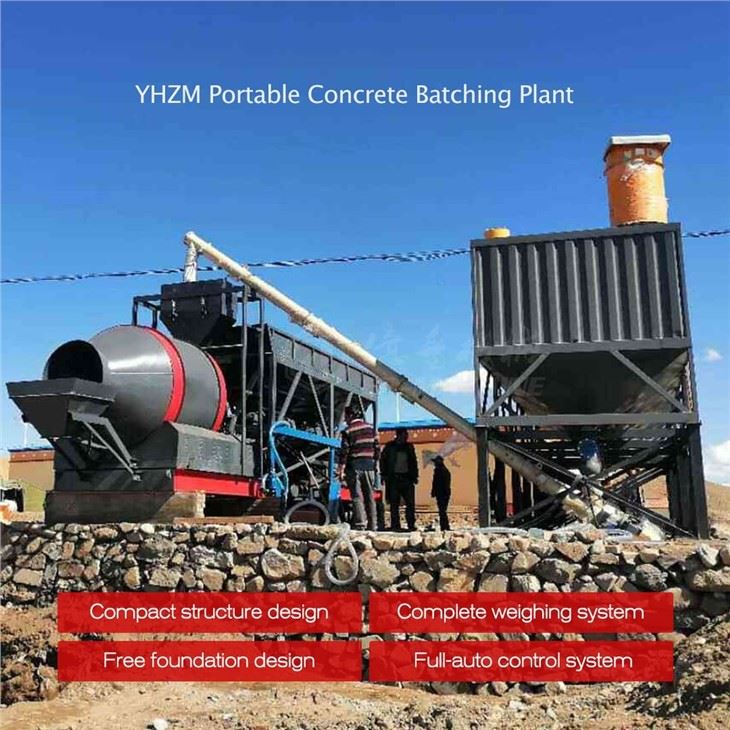

For instance, in a large - scale construction project, precise aggregate feeding is essential. If the wrong amount of aggregates is added, it can lead to concrete with poor workability and strength. Our Portable Concrete Batch Plant is equipped with a highly efficient aggregate feeding system that ensures accurate and consistent aggregate delivery, even in mobile applications.
Cement Feeding
Cement is the binding agent in concrete. The cement feeding system usually includes cement silos, screw conveyors, and cement weighing hoppers. Cement silos are large storage containers for cement. Screw conveyors are used to transfer the cement from the silos to the weighing hoppers. The weighing hoppers then measure the exact amount of cement needed for the mix.
Proper cement feeding is crucial for the strength development of concrete. If too little cement is added, the concrete may not achieve the desired strength, while too much cement can increase costs and may cause cracking due to excessive heat generation during hydration. Our Concrete Mix Plant features an advanced cement feeding system that can precisely control the cement dosage, ensuring high - quality concrete production.
Water and Additive Feeding
Water is necessary for the chemical reaction that causes cement to harden, and additives are used to modify the properties of concrete. The water and additive feeding systems typically consist of water tanks, pumps, flow meters, and additive storage containers. Water is pumped from the water tank through flow meters, which measure the amount of water added to the mix. Additives are stored in special containers and are also accurately metered and added to the mix.
The right amount of water and additives can significantly improve the workability, durability, and setting time of concrete. For example, in hot weather, adding a retarder additive can slow down the setting time of concrete, allowing more time for placement and finishing. Our Central Mix Concrete plants are designed with sophisticated water and additive feeding systems that can precisely control the addition of these materials, resulting in concrete with excellent performance.
Significance of the Feeding System
Quality Control
A well - designed feeding system is essential for maintaining the quality of concrete. By accurately measuring and delivering the raw materials, it ensures that the concrete mix meets the specified design requirements. This is crucial for the structural integrity and durability of the concrete structures, whether it is a small building or a large infrastructure project.
Efficiency
An efficient feeding system can significantly increase the production capacity of a concrete batching plant. By minimizing the time taken to transport and measure the raw materials, it allows for faster batch cycles. This means that more concrete can be produced in a shorter period, which is beneficial for meeting tight construction schedules.
Cost - Effectiveness
Precise feeding of raw materials helps in reducing waste. When the right amount of each material is added to the mix, there is less over - use of expensive materials such as cement. Additionally, an efficient feeding system reduces energy consumption, as it uses less power to transport and measure the materials. This all contributes to cost savings in the long run.
Maintenance of the Feeding System
To ensure the proper functioning of the feeding system, regular maintenance is required. This includes inspecting the conveyor belts for wear and tear, checking the accuracy of the weighing sensors, and cleaning the storage bins and hoppers to prevent material blockages.
For example, if a conveyor belt is damaged, it can lead to uneven aggregate feeding, which affects the quality of the concrete. By conducting regular inspections and replacing worn - out parts in a timely manner, the feeding system can operate smoothly and efficiently.
Choosing the Right Feeding System for Your Concrete Batching Plant
When selecting a concrete batching plant, the feeding system is an important factor to consider. You need to ensure that the feeding system can handle the required production capacity, accurately measure the raw materials, and is easy to maintain.
As a supplier of concrete batching plants, we offer a wide range of options to meet different customer needs. Whether you are looking for a Portable Concrete Batch Plant for small - scale projects or a large - scale Concrete Mix Plant for major construction jobs, our feeding systems are designed to provide high - performance and reliable operation.
Conclusion
The feeding system in a concrete batching plant is a complex and critical part of the overall operation. It is responsible for the accurate and efficient delivery of raw materials, which directly affects the quality, efficiency, and cost - effectiveness of concrete production.
If you are in the market for a concrete batching plant and want to learn more about our products and how our feeding systems can benefit your construction projects, we encourage you to contact us for a detailed discussion. Our team of experts is ready to assist you in choosing the right solution for your specific needs.
References
- Neville, A. M. (1995). Properties of Concrete. Pearson Education.
- ACI Committee 211. (2009). Standard Practice for Selecting Proportions for Normal, Heavyweight, and Mass Concrete. American Concrete Institute.