

A twin shaft concrete mixer is a highly efficient and widely used piece of equipment in the construction industry. It plays a crucial role in producing high - quality concrete mixtures. Understanding its discharge method is essential for users to ensure smooth operation, consistent concrete quality, and efficient production processes. In this blog post, we, as a twin shaft concrete mixer supplier, will delve into the details of the discharge method of a twin shaft concrete mixer.
1. Types of Discharge Methods
Gravity Discharge
Gravity discharge is one of the most common methods used in twin shaft concrete mixers. In this method, the mixer is designed in such a way that when the discharge door is opened, the concrete mixture flows out under the influence of gravity. The twin - shaft mixer's internal structure is optimized to allow the well - mixed concrete to move towards the discharge opening easily.

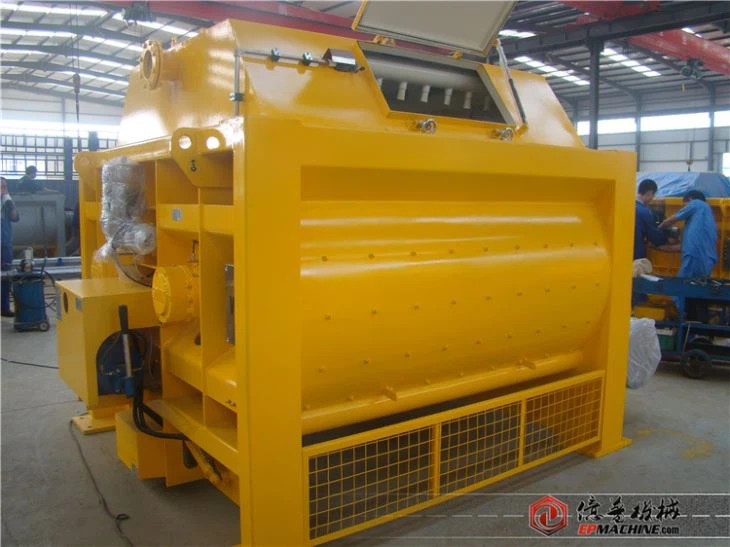
The advantage of gravity discharge is its simplicity. There are no additional complex mechanical or electrical components required for the discharge process. It is a reliable and cost - effective solution for many small - to medium - sized construction projects. However, the efficiency of gravity discharge depends largely on the slump of the concrete mixture. Concrete with a higher slump will flow out more easily, while a stiffer mixture may require some additional measures to ensure complete discharge.
Pneumatic Discharge
Pneumatic discharge systems use compressed air to push the concrete mixture out of the mixer. A pneumatic discharge system typically consists of an air compressor, air pipes, and discharge valves. When the discharge process starts, compressed air is introduced into the mixer chamber, creating pressure that forces the concrete out through the discharge opening.
This method is particularly useful for handling low - slump or dry - mixed concrete. It can ensure a more complete and faster discharge of the mixture, even for materials that are difficult to flow under gravity alone. However, pneumatic discharge systems are more complex and require more maintenance compared to gravity discharge systems. They also need a reliable source of compressed air, which may increase energy consumption.
Hydraulic Discharge
Hydraulic discharge systems operate using hydraulic power. Hydraulic cylinders are used to control the opening and closing of the discharge door and, in some cases, to assist in pushing the concrete out of the mixer. The hydraulic system provides precise control over the discharge process, allowing for adjustable discharge speeds and more accurate control of the amount of concrete being discharged.
Hydraulic discharge is often used in large - scale construction projects and high - performance mixers. It offers high reliability and durability, as hydraulic components are designed to withstand heavy loads and harsh operating conditions. However, hydraulic systems are relatively expensive to install and maintain, and any hydraulic fluid leakage can pose environmental and operational problems.
2. The Discharge Process Steps
Preparation before Discharge
Before starting the discharge process, several preparation steps are necessary. Firstly, the operator needs to ensure that the discharge area is clean and free of obstacles. This includes checking the discharge chute or conveyor for any blockages or debris that could impede the flow of concrete.
Secondly, the operator should verify the readiness of the receiving equipment, such as a concrete truck or a hopper. The receiving equipment needs to be properly positioned and in good working condition. Additionally, the mixer should be fully mixed to ensure a homogeneous concrete mixture. Usually, modern twin shaft mixers are equipped with sensors or timers to indicate when the mixing process is complete.
Opening the Discharge Door
Depending on the type of discharge mechanism, the opening of the discharge door is carried out. In gravity discharge, the operator simply activates the control switch to release the locking mechanism and allow the door to open under its own weight or with a small assist from an electric or pneumatic actuator.
For pneumatic and hydraulic discharge systems, the control system needs to be engaged to start the process. In a pneumatic system, the air compressor is started, and the relevant valves are opened to introduce compressed air into the mixer. In a hydraulic system, the hydraulic pump is activated, and the hydraulic cylinders are extended or retracted to open the discharge door.
Discharging the Concrete
Once the discharge door is open, the concrete begins to flow out. In gravity discharge, the rate of discharge is mainly determined by the slump of the concrete and the angle of the discharge chute. The operator may need to monitor the flow to ensure that it is continuous and that there are no blockages.
If it is a pneumatic or hydraulic discharge, the operator can adjust the pressure or the speed of the hydraulic cylinders to control the discharge rate. This allows for more flexibility in matching the discharge rate with the capacity of the receiving equipment.
Closing the Discharge Door
After all the concrete has been discharged, the discharge door needs to be closed promptly. This prevents dirt, debris, or rainwater from entering the mixer chamber. In all three types of discharge systems, the closing process is the reverse of the opening process. The locking mechanism is re - engaged to secure the door in place.
3. Factors Affecting the Discharge Process
Concrete Characteristics
The slump, consistency, and aggregate size of the concrete mixture have a significant impact on the discharge process. As mentioned earlier, a high - slump concrete mixture will flow more easily under gravity, while a low - slump or dry - mixed concrete may require pneumatic or hydraulic assistance.
The size and shape of the aggregates also matter. Larger aggregates may cause blockages in the discharge opening, especially in gravity discharge systems. Therefore, proper aggregate grading and mixing are crucial to ensure a smooth discharge.
Mixer Design
The design of the twin shaft concrete mixer itself affects the discharge process. The shape of the mixer chamber, the position and size of the discharge opening, and the arrangement of the mixing blades all play important roles. A well - designed mixer chamber should facilitate the movement of the concrete towards the discharge opening, and the discharge opening should be large enough to allow for a fast and complete discharge.
The mixing blades can also influence the discharge process. If the blades are worn or not properly adjusted, they may not be able to effectively push the concrete towards the discharge area, resulting in incomplete discharge.
Operating Conditions
External operating conditions such as temperature, humidity, and altitude can also affect the discharge process. High temperatures can cause the concrete to set more quickly, making it more difficult to discharge. Humidity can change the consistency of the concrete, and at high altitudes, the air pressure and density differences may affect pneumatic discharge systems.
4. Maintenance and Troubleshooting for Discharge Systems
Regular Maintenance
Regular maintenance is essential to ensure the proper functioning of the discharge system. For all types of discharge, the discharge door and its associated components need to be inspected regularly for wear, damage, or corrosion. Lubrication of moving parts such as hinges and actuators should be carried out as recommended by the manufacturer.
In pneumatic systems, the air compressor, air pipes, and valves need to be checked for leaks and proper operation. Filters should be cleaned or replaced regularly to prevent dirt from entering the system. In hydraulic systems, the hydraulic fluid level and quality need to be monitored, and the hydraulic cylinders and pumps should be inspected for any signs of leakage or malfunction.
Troubleshooting
If there are problems during the discharge process, such as slow discharge or blockages, the operator should first check for obvious reasons. For example, in a gravity discharge system, a blockage in the discharge chute may be caused by large aggregates or hardened concrete. This can usually be cleared by removing the blockage manually or using appropriate tools.
If the problem persists, it may be due to a malfunction in the discharge mechanism. In pneumatic or hydraulic systems, a leak in the air or hydraulic lines can reduce the pressure and affect the discharge efficiency. In such cases, the system needs to be carefully inspected to locate and repair the leak.
As a professional [your company information] that supplies Twin Shaft Mixer, Twin Shaft Concrete Mixture, and Twin Spiral Concrete Mixer, we understand the significance of an efficient discharge method in twin shaft concrete mixers. We are committed to providing high - quality products and professional technical support to our customers.
If you are planning to purchase a twin shaft concrete mixer or have any questions regarding the discharge method or other aspects of our products, please feel free to contact us for a detailed discussion. Our experienced team will be more than happy to assist you in making the right choice for your construction projects.
References
- "Concrete Mixer Handbook", Manufacturer's Guide
- Professional Construction Industry Journals on Concrete Equipment