

When it comes to the construction industry, the quality of concrete plays a pivotal role in determining the durability and strength of structures. Two commonly used types of mixers for concrete production are transit mixers and stationary mixers. Understanding the differences between these two can significantly impact your construction operations, whether you're a large - scale developer or a small - scale contractor. As a transit mixer supplier, I'm here to shed light on these differences and help you make an informed decision.

1. Design and Mobility
- Transit Mixers
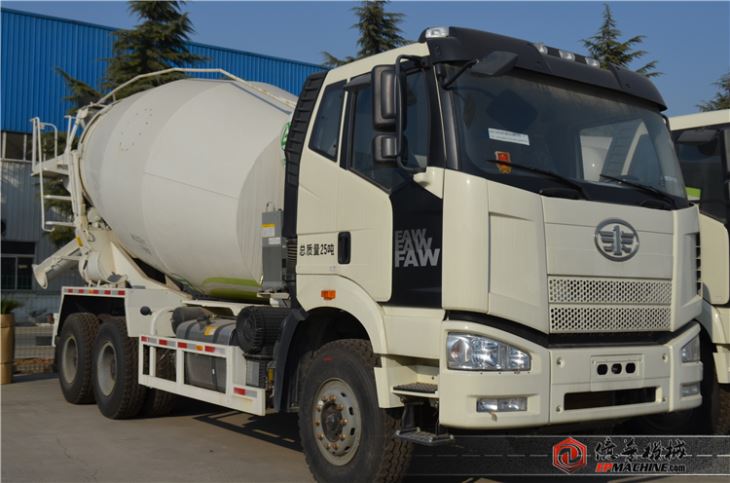
Transit mixers are essentially trucks equipped with a rotating drum. The design is centered around mobility, allowing them to transport freshly mixed concrete from the batching plant to the construction site. The drum keeps rotating during transit to prevent the concrete from setting. This feature is crucial as it enables the timely delivery of concrete in large quantities directly to the construction area. For example, in high - rise building construction projects located in busy urban areas, transit mixers can navigate through traffic and deliver concrete precisely where it's needed. Our Howo Transit Mixer is a prime example of a well - designed transit mixer that combines robust structural engineering with advanced mobility features. - Stationary Mixers
On the other hand, stationary mixers are fixed in one place. They are designed to be installed at a specific location, such as a concrete batching plant. These mixers are usually larger and more permanent structures. Their immobility allows for a more complex and stable design. Since they don't need to move, they can be connected to a variety of ancillary equipment, like automated feeding systems and large - volume storage silos. For instance, in a large - scale pre - cast concrete manufacturing facility, stationary mixers can provide a continuous supply of concrete for the production of multiple products at the same time.
2. Capacity and Production Volume
- Transit Mixers
Transit mixers come in a range of capacities, typically from 3 cubic meters to 15 cubic meters. This makes them suitable for a variety of construction projects, from small residential buildings to medium - sized commercial developments. The capacity of a transit mixer also affects its mobility and maneuverability. Smaller capacity transit mixers are more flexible and can access sites with narrow roads or limited space. However, for large - scale projects, multiple transit mixers may need to be used in sequence to meet the required concrete volume. Our Concrete Transit Mixer is available in different capacities to meet the diverse needs of our customers. - Stationary Mixers
Stationary mixers generally have a higher production capacity. They can produce large volumes of concrete in a relatively short time. Some industrial - scale stationary mixers can produce up to 300 cubic meters of concrete per hour. This high - volume production is ideal for large infrastructure projects such as dams, bridges, and large - scale urban development projects. The high - capacity production also allows for better control over the concrete mix consistency, as larger batches can be more easily adjusted to meet specific quality requirements.
3. Mixing Quality
- Transit Mixers
The mixing quality of transit mixers can be affected by several factors, including the speed of the drum rotation, the travel time to the construction site, and the initial mixing process at the batching plant. However, modern transit mixers are equipped with advanced mixing technologies to ensure a homogeneous mix. For example, some transit mixers have two - stage mixing systems, where an initial pre - mixing occurs at the batching plant, and then further mixing takes place during transit. The rotating drum also helps to keep the concrete well - mixed and prevent segregation. - Stationary Mixers
Stationary mixers are known for their high - quality mixing. Since they are stationary, they can be equipped with more sophisticated mixing mechanisms, such as high - speed blades and advanced mixing algorithms. This allows for a more thorough and consistent mixing of the concrete ingredients. In addition, stationary mixers can be closely monitored and adjusted during the mixing process, ensuring that the concrete meets the exact specifications required for the project.
4. Cost
- Transit Mixers
The cost of a transit mixer includes the purchase price of the vehicle and the mixing equipment, as well as the ongoing operating costs, such as fuel, maintenance, and driver salaries. While the initial investment for a transit mixer can be relatively high, it offers the advantage of on - site concrete delivery, which can save time and labor costs at the construction site. In addition, transit mixers can be rented or leased, providing a more flexible option for contractors with varying project requirements. - Stationary Mixers
The cost of a stationary mixer mainly consists of the equipment purchase, installation, and maintenance. The initial investment for a high - capacity stationary mixer can be substantial, especially for industrial - grade models. However, the long - term operating costs can be lower than those of transit mixers, as there are no fuel costs or driver expenses. Stationary mixers are also more suitable for long - term, large - scale projects where the high initial investment can be justified by the high - volume production.
5. Application Scope
- Transit Mixers
Transit mixers are ideal for construction projects that require fresh concrete to be delivered directly to the site. They are commonly used in building construction, road construction, and infrastructure projects in various locations. For example, in rural areas where there may not be a nearby concrete batching plant, transit mixers can transport concrete over long distances. They are also useful for projects with scattered construction points, as they can move from one location to another easily. - Stationary Mixers
Stationary mixers are mainly used in large - scale concrete production facilities, such as pre - cast concrete factories and large concrete batching plants. They are also suitable for projects with a continuous and high - volume demand for concrete, like large - scale housing developments and bridge construction projects. Since stationary mixers are not mobile, they are usually used in conjunction with other concrete transportation equipment, such as concrete pumps, to deliver the concrete to the construction site.
In conclusion, the choice between a transit mixer and a stationary mixer depends on various factors, including the nature of the construction project, the required concrete volume, the project location, and the budget. As a transit mixer supplier, we understand the importance of these considerations and are committed to providing our customers with the best - suited solutions. If you are unsure which type of mixer is right for your project, or if you are interested in learning more about our transit mixers, please don't hesitate to contact us. We are here to assist you in making the most informed decision for your construction needs.
References
- "Concrete Mixing Technology" - Construction Materials Handbook
- "The Impact of Mixer Type on Concrete Quality" - Journal of Civil Engineering Research