

As a supplier of stationary concrete pumps, I often encounter inquiries from customers about the delivery rate of these essential construction machines. Understanding the delivery rate is crucial for project planning, ensuring that the concrete can be pumped efficiently to meet the construction schedule. In this blog, I'll delve into what the delivery rate of a stationary concrete pump is, factors that affect it, and how to choose the right pump based on your delivery rate requirements.
What is the Delivery Rate of a Stationary Concrete Pump?
The delivery rate of a stationary concrete pump refers to the volume of concrete that the pump can deliver within a specific period, typically measured in cubic meters per hour (m³/h). This metric is a key specification when selecting a concrete pump, as it directly impacts the speed and efficiency of concrete placement on a construction site. For instance, a large - scale building project with a high demand for concrete will require a pump with a high delivery rate to keep up with the pouring needs.
Factors Affecting the Delivery Rate
1. Pump Design and Capacity
The design of the stationary concrete pump plays a significant role in determining its delivery rate. Pumps with larger cylinders and more powerful hydraulic systems generally have higher delivery rates. For example, a heavy - duty industrial pump is designed to handle large volumes of concrete and can deliver at a rate of 60 m³/h or more, while a smaller, more compact pump may have a delivery rate of around 20 - 30 m³/h.
2. Concrete Properties
The properties of the concrete being pumped also affect the delivery rate. Concrete with a high slump (more fluid) is easier to pump and can be delivered at a higher rate compared to stiff concrete. Additionally, the aggregate size and type in the concrete can impact the flow. Smaller aggregates allow for smoother flow through the pump and pipes, enabling a higher delivery rate.
3. Pipe Length and Diameter
The length and diameter of the delivery pipes are crucial factors. Longer pipes create more friction, which reduces the delivery rate. Similarly, smaller - diameter pipes restrict the flow of concrete, resulting in a lower delivery rate. To maintain an optimal delivery rate, it's important to choose the appropriate pipe diameter and minimize the length of the pipeline.
4. Operating Conditions
The operating conditions on the construction site can influence the delivery rate. For example, if the pump is operating at a high altitude, the reduced air pressure can affect the performance of the hydraulic system, potentially lowering the delivery rate. Extreme temperatures can also impact the viscosity of the hydraulic fluid and the properties of the concrete, leading to changes in the delivery rate.
Importance of Choosing the Right Delivery Rate
Selecting a stationary concrete pump with the appropriate delivery rate is essential for the success of a construction project. If the delivery rate is too low, it can cause delays in the construction process, as the concrete may not be delivered fast enough to keep up with the pouring schedule. On the other hand, choosing a pump with an excessively high delivery rate can lead to unnecessary costs, as you'll be paying for a more powerful and expensive machine than you actually need.
Our Stationary Concrete Pump Offerings
At our company, we offer a wide range of stationary concrete pumps with different delivery rates to meet the diverse needs of our customers.
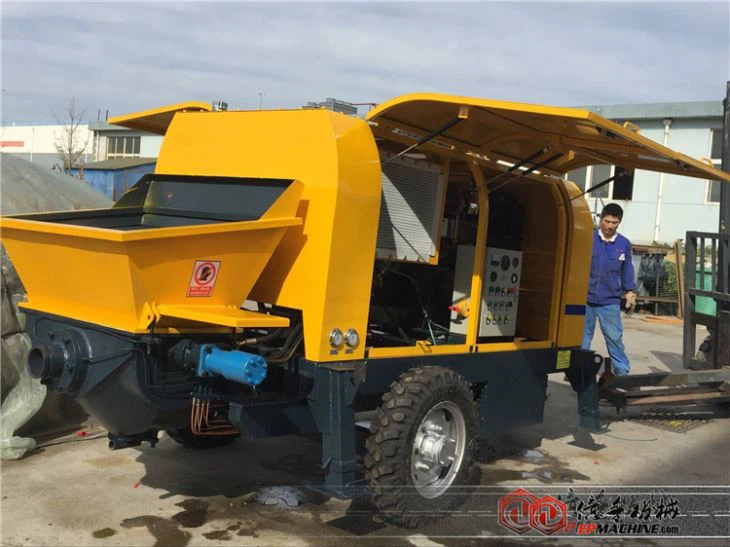
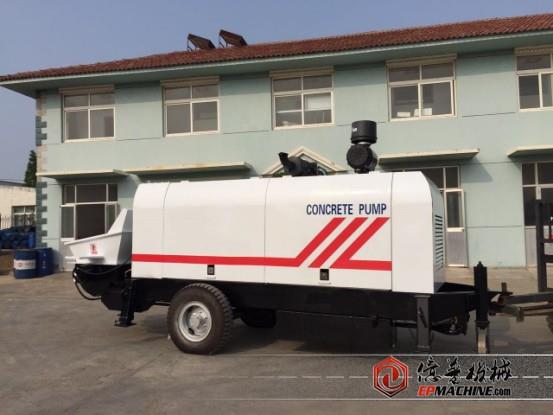
- Shotcrete Pump For Sale: Our shotcrete pumps are designed for applications where a high - velocity stream of concrete is required, such as in tunneling and slope stabilization. These pumps have a delivery rate that can be adjusted according to the project requirements. You can find more information about our Shotcrete Pump For Sale.
- HBT40 Concrete Pump: The HBT40 concrete pump is a popular choice for medium - sized construction projects. It has a reliable delivery rate of around 40 m³/h, making it suitable for a variety of applications, including building foundations and small - to - medium - sized commercial buildings. Check out the details of our HBT40 Concrete Pump.
- Concrete Trailer Pump: Our concrete trailer pumps are highly mobile and offer a good balance between delivery rate and portability. They are ideal for projects where the pump needs to be moved around the site easily. You can learn more about our Concrete Trailer Pump.
How to Determine the Right Delivery Rate for Your Project
To determine the appropriate delivery rate for your construction project, you need to consider several factors:
1. Project Size and Scope
Assess the size of the project and the amount of concrete that needs to be poured. For large - scale projects, such as high - rise buildings or large bridges, a high - delivery - rate pump will be necessary to complete the concrete placement in a timely manner. Smaller projects, like residential foundations or small retaining walls, may require a lower - delivery - rate pump.
2. Pouring Schedule
Consider the pouring schedule of the project. If you have a tight schedule and need to pour a large volume of concrete in a short period, you'll need a pump with a high delivery rate. On the other hand, if the pouring can be spread out over a longer period, a lower - delivery - rate pump may be sufficient.
3. Site Conditions
Take into account the site conditions, including the distance from the concrete source to the pouring location and the layout of the delivery pipes. If the pipes need to be long or if there are many bends in the pipeline, you may need a pump with a higher delivery rate to overcome the additional friction.
Contact Us for Your Stationary Concrete Pump Needs
If you're in the process of planning a construction project and need help selecting the right stationary concrete pump with the appropriate delivery rate, our team of experts is here to assist you. We have extensive experience in the concrete pumping industry and can provide you with professional advice based on your specific project requirements.
Whether you need a pump for a small - scale residential project or a large - scale commercial development, we have the solution for you. Contact us today to start the procurement negotiation process and ensure that your construction project runs smoothly and efficiently.
References
- "Concrete Pumping Handbook", Construction Industry Press
- "Hydraulic Systems in Concrete Pumps", Engineering Journal of Construction Equipment
- "Factors Affecting Concrete Pumping Performance", International Journal of Civil Engineering and Construction Technology