

What is a stationary concrete pump? Well, let me break it down for you. As a supplier of Stationary Concrete Pump, I've got a ton of hands - on experience with these machines, and I'm excited to share everything I know.
The Basics of a Stationary Concrete Pump
A stationary concrete pump is a specialized piece of equipment used in the construction industry. Its main job is to transfer liquid concrete from a mixer to the place where it's needed on a construction site. Unlike mobile concrete pumps that can be easily moved around, stationary concrete pumps are fixed in one position during operation.
These pumps are super important because they make the process of pouring concrete a whole lot easier and more efficient. Instead of relying on manual labor to move heavy buckets of concrete or using less - precise methods, a stationary concrete pump can quickly and accurately deliver concrete to even hard - to - reach areas.
How Does It Work?
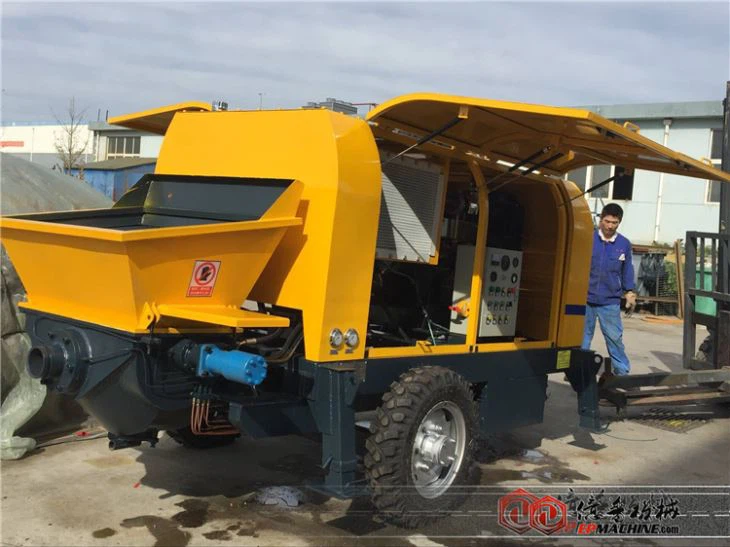
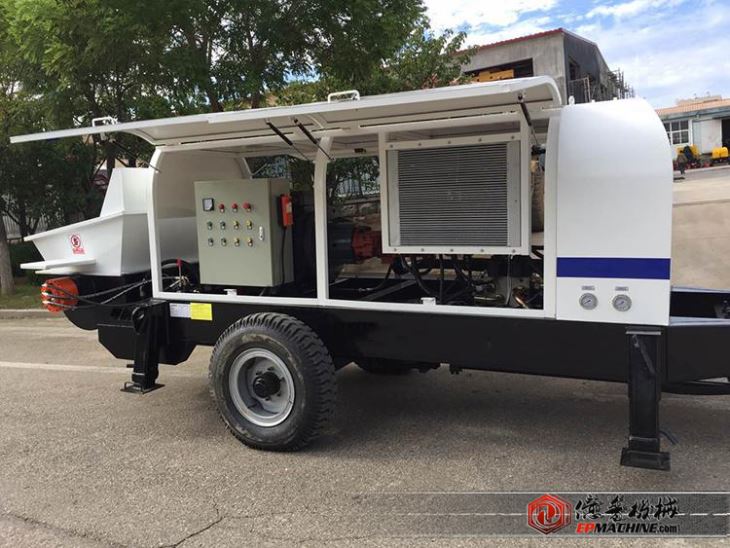
The working principle of a stationary concrete pump is pretty fascinating. It typically consists of a hopper, a pumping unit, and a delivery pipe. The concrete is first loaded into the hopper. From there, it's sucked into the pumping cylinders by the action of pistons. These pistons create a pressure difference that allows the concrete to be pushed through the delivery pipe and out to the construction area.
The power source of a stationary concrete pump can vary. Some are powered by electricity, which is great for indoor construction sites or areas where a stable power supply is available. Others are diesel - powered, offering more flexibility for outdoor projects where access to electricity might be limited.
Advantages of Using a Stationary Concrete Pump
There are several reasons why construction companies prefer stationary concrete pumps. First off, they're highly efficient. They can pump large volumes of concrete in a relatively short time, which speeds up the construction process. This efficiency also means less labor is required, saving on costs in the long run.
Secondly, they offer great accuracy. The delivery pipe can be extended and maneuvered to reach exactly where the concrete needs to go. This is especially useful for high - rise buildings or complex construction projects where precision is key.
Another advantage is the consistency of the concrete flow. A stationary concrete pump ensures a steady and continuous supply of concrete, which results in a more uniform and high - quality finish for the construction work.
Types of Stationary Concrete Pumps
There are different types of stationary concrete pumps available in the market. One popular type is the Concrete Trailer Pump. As the name suggests, it can be towed to the construction site, providing a bit more mobility compared to traditional stationary pumps. The concrete trailer pump is great for smaller to medium - sized construction projects.
Then there's the HBT40 Concrete Pump. It's a reliable and powerful option, often used in larger construction sites. The HBT40 can handle high - volume concrete pumping and is known for its durability and low maintenance requirements.
Applications of Stationary Concrete Pumps
Stationary concrete pumps are used in a wide range of construction projects. In building construction, they're used to pour foundations, columns, and slabs. They're also essential for road construction, where they help in laying concrete for sidewalks, bridges, and overpasses.
In industrial construction, stationary concrete pumps are used to create large - scale structures such as factories and warehouses. They're even used in some specialized construction projects like dams and tunnels, where the ability to deliver concrete precisely is crucial.
Maintenance of Stationary Concrete Pumps
Like any piece of heavy equipment, proper maintenance is key to keeping a stationary concrete pump in good working condition. Regular cleaning of the hopper, pumping cylinders, and delivery pipes is essential to prevent the build - up of concrete residue.
The mechanical parts, such as pistons and seals, should be inspected regularly for wear and tear. If any parts are damaged, they should be replaced promptly to avoid further problems. Also, the power source (whether it's an electric motor or a diesel engine) needs to be maintained according to the manufacturer's guidelines.
Choosing the Right Stationary Concrete Pump
When it comes to choosing a stationary concrete pump for your construction project, there are a few factors to consider. First, you need to think about the volume of concrete you'll need to pump. If it's a large - scale project, you'll need a more powerful pump.
The distance and height to which you need to deliver the concrete are also important. A longer or higher delivery requires a pump with greater pressure capabilities. Additionally, you should consider the type of concrete you'll be using. Some pumps are better suited for different concrete mixes.
As a supplier of Stationary Concrete Pump, I can offer expert advice on choosing the right pump for your specific needs. We have a wide range of pumps available, each designed to meet different construction requirements.
Why Choose Our Stationary Concrete Pumps
Our stationary concrete pumps are built to last. We use high - quality materials and advanced manufacturing techniques to ensure the reliability and performance of our pumps. They're also designed with user - friendliness in mind, making them easy to operate and maintain.
We offer excellent after - sales service. Our team of experts is always ready to provide technical support, whether it's for installation, maintenance, or troubleshooting. And we understand that time is of the essence in the construction industry, so we strive to provide quick and efficient service.
Contact Us for Purchasing
If you're in the market for a stationary concrete pump, don't hesitate to get in touch with us. Our experienced sales team can provide you with detailed information about our products, including specifications, prices, and delivery options. We're committed to helping you find the perfect pump for your construction needs and ensuring a smooth purchasing process.
References
- Construction Equipment Handbook
- Concrete Pumping Technology Manual