

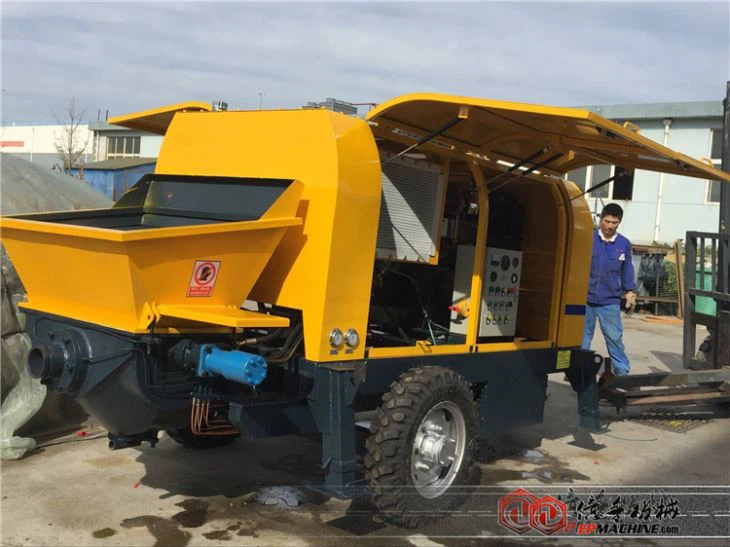
As a supplier of stationary concrete pumps, I've witnessed firsthand the critical role these machines play in the construction industry. Stationary concrete pumps are indispensable for transferring concrete from the mixing point to the pouring site efficiently. However, like any complex machinery, they are prone to several common problems that can disrupt construction schedules and increase costs. In this blog, I'll discuss these issues in detail, offering insights based on my experience in the field.

1. Blockages in the Delivery Pipeline
One of the most frequent problems with stationary concrete pumps is blockages in the delivery pipeline. Blockages can occur due to various reasons, such as improper concrete mix, incorrect pumping speed, or a kink in the pipeline.
When the concrete mix is too dry or contains large aggregates that are not well - proportioned, it can cause the concrete to stick to the inner walls of the pipeline. Over time, this buildup can lead to a complete blockage. Similarly, if the pumping speed is too high, the concrete may not flow smoothly through the pipeline, increasing the risk of blockage. Kinks in the pipeline can also restrict the flow of concrete, causing it to accumulate and eventually block the line.
To prevent blockages, it's essential to ensure that the concrete mix meets the recommended specifications. The aggregate size should be within the acceptable range, and the water - cement ratio should be carefully adjusted. Additionally, operators should monitor the pumping speed and make adjustments as needed. Regular inspection of the pipeline for kinks and damage is also crucial. If a blockage does occur, it's important to address it promptly. One method is to reverse the pump to break up the blockage and then resume normal pumping. In more severe cases, the pipeline may need to be disassembled and cleaned.
2. Wear and Tear of Pumping Components
The pumping components of a stationary concrete pump, such as the pistons, valves, and cylinders, are subject to significant wear and tear during operation. These components are constantly in contact with the abrasive concrete, which can cause them to degrade over time.
Pistons are particularly vulnerable to wear. As they move back and forth to push the concrete through the pipeline, the friction between the piston and the cylinder wall can cause the piston seal to wear out. This can lead to a loss of pressure in the pumping system, reducing the efficiency of the pump. Valves also experience wear, especially the suction and discharge valves. If these valves do not seal properly, it can result in a loss of concrete flow and reduced pumping capacity.
To minimize wear and tear, regular maintenance is essential. This includes lubricating the pistons and cylinders, inspecting the valves for damage, and replacing worn - out components in a timely manner. Using high - quality replacement parts can also extend the lifespan of the pumping components. Operators should follow the manufacturer's recommended maintenance schedule to ensure the proper functioning of the pump.
3. Hydraulic System Problems
The hydraulic system is the heart of a stationary concrete pump, providing the power needed to operate the pumping mechanism. However, it is also prone to several problems.
One common issue is hydraulic oil leakage. Leakage can occur due to damaged seals, loose connections, or cracks in the hydraulic lines. A hydraulic oil leak not only reduces the efficiency of the system but can also pose a safety hazard. Another problem is overheating of the hydraulic oil. This can be caused by excessive workload, a malfunctioning cooling system, or a blockage in the hydraulic circuit. Overheating can lead to a breakdown of the hydraulic oil, reducing its lubricating properties and causing damage to the hydraulic components.
To address hydraulic system problems, regular inspection of the hydraulic lines and seals is necessary. Any signs of leakage should be repaired immediately. The hydraulic oil level and quality should also be monitored regularly, and the oil should be changed according to the manufacturer's recommendations. Ensuring that the cooling system is functioning properly is crucial to prevent overheating.
4. Electrical System Failures
The electrical system of a stationary concrete pump controls various functions, such as the motor, sensors, and control panel. Electrical system failures can occur due to several reasons, including short circuits, loose connections, and component malfunctions.
Short circuits can be caused by damaged wiring, moisture ingress, or overloading of the electrical system. Loose connections can lead to intermittent power supply, causing the pump to malfunction. Component malfunctions, such as a faulty sensor or a damaged control panel, can also disrupt the operation of the pump.
To prevent electrical system failures, it's important to keep the electrical components dry and protected from moisture. Regular inspection of the wiring and connections is necessary to ensure they are secure. Faulty components should be replaced promptly to avoid further damage to the electrical system.
5. Lack of Operator Training
A lack of proper operator training is another common problem that can lead to issues with stationary concrete pumps. Operators who are not familiar with the pump's operation, maintenance, and safety procedures are more likely to make mistakes that can cause damage to the pump and disrupt the construction process.
Inexperienced operators may not know how to adjust the pumping speed correctly, which can lead to blockages in the pipeline. They may also overlook important maintenance tasks, such as checking the hydraulic oil level or inspecting the pumping components for wear. In addition, operators who are not trained in safety procedures may put themselves and others at risk.
To address this issue, it's important to provide comprehensive training to all operators. Training should cover the operation of the pump, maintenance procedures, safety protocols, and troubleshooting techniques. Ongoing training and refresher courses can also help operators stay up - to - date with the latest technologies and best practices.
Conclusion
In conclusion, stationary concrete pumps are powerful and essential machines in the construction industry, but they are not without their problems. Blockages in the delivery pipeline, wear and tear of pumping components, hydraulic system problems, electrical system failures, and lack of operator training are some of the common issues that can affect the performance of these pumps.
As a supplier of Stationary Concrete Pump, we understand the importance of addressing these problems to ensure the smooth operation of your construction projects. We offer a range of high - quality stationary concrete pumps, including the Concrete Trailer Pump and the HBT40 Concrete Pump, which are designed to minimize these common problems. Our team of experts can also provide you with the necessary training and support to ensure that your pumps are operated and maintained correctly.
If you're in the market for a stationary concrete pump or need assistance with your existing equipment, we encourage you to contact us for a detailed discussion. Our sales team is ready to help you find the best solution for your specific needs.
References
- Concrete Pump Handbook, Various Editions
- Manufacturer's Manuals for Stationary Concrete Pumps
- Industry Reports on Construction Equipment Maintenance and Troubleshooting