

Transporting a transit mixer is a crucial process that requires careful planning and execution. As a transit mixer supplier, I understand the importance of ensuring that these heavy - duty vehicles are transported safely and efficiently. In this blog, I will share some key aspects of how to transport a transit mixer.
Pre - Transport Inspection
Before transporting a transit mixer, a thorough inspection is essential. First, check the mechanical condition of the transit mixer. Examine the engine to ensure it is in good working order. Look for any signs of leaks, such as oil or coolant leaks. The transmission system should also be inspected for proper shifting and smooth operation.
Inspect the mixing drum. Check for any damage to the drum's interior and exterior. The blades inside the drum should be intact and firmly attached. A damaged drum can affect the quality of the concrete mixing and may pose a risk during transportation.
The tires are another critical component. Check the tire pressure and look for any signs of wear or damage. Under - inflated or damaged tires can lead to uneven weight distribution and increase the risk of a flat tire during transit. Make sure the wheel nuts are tightened properly to prevent the wheels from coming loose.
Choosing the Right Transport Method
There are several transport methods available for transit mixers, and the choice depends on various factors such as distance, cost, and the specific requirements of the customer.
Road Transport
Road transport is the most common method for transporting transit mixers. It offers flexibility and can directly deliver the vehicle to the customer's site. When using road transport, it is important to choose a reliable haulage company. The haulage company should have experience in transporting heavy - duty vehicles and should be equipped with the appropriate trailers.
For short - distance transportation, a flat - bed trailer can be used. Flat - bed trailers provide a stable platform for the transit mixer and allow for easy loading and unloading. However, for longer distances, a low - bed trailer may be a better option. Low - bed trailers have a lower center of gravity, which increases stability during transportation. They are also suitable for transporting taller transit mixers that may exceed the height limits of a flat - bed trailer.
When transporting a transit mixer by road, it is necessary to comply with all local traffic regulations. This includes obtaining the necessary permits for over - sized or overweight loads. The transit mixer should be properly secured on the trailer to prevent it from shifting during transit. Straps and chains can be used to secure the vehicle, and they should be tightened to ensure a firm hold.
Rail Transport
Rail transport can be a cost - effective option for long - distance transportation. It is more environmentally friendly compared to road transport and can handle large volumes of cargo. However, rail transport requires specialized infrastructure and may not be as flexible as road transport.

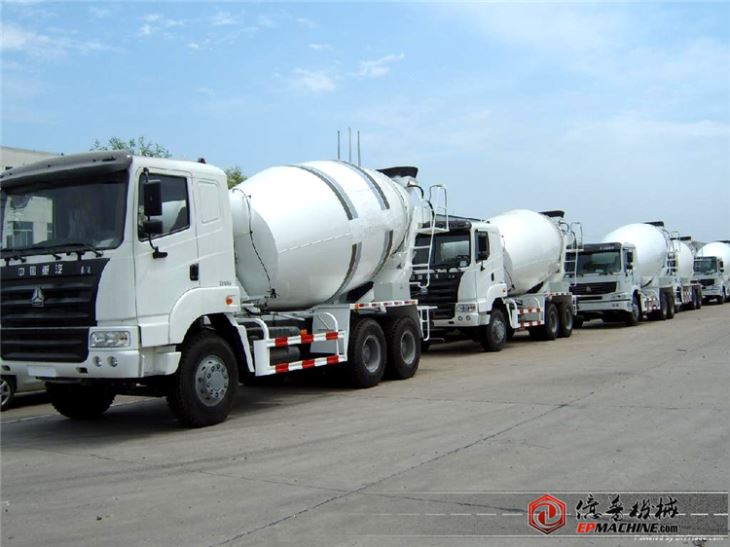
To transport a transit mixer by rail, it needs to be loaded onto a rail - compatible flatcar. The loading process should be carried out carefully to ensure that the transit mixer is centered on the flatcar and is properly secured. Rail transport also requires coordination with the railway company to schedule the shipment and ensure that the transit mixer is transferred smoothly between different rail lines if necessary.
Sea Transport
If the transit mixer needs to be transported overseas, sea transport is the only option. Sea transport is suitable for large - scale shipments and can handle heavy and bulky cargo. When using sea transport, the transit mixer is usually loaded into a container or onto a roll - on/roll - off (Ro - Ro) vessel.
Containerization is a popular method for sea transport. The transit mixer can be disassembled into smaller parts if necessary and loaded into a container. This provides protection against the elements and reduces the risk of damage during transit. Ro - Ro vessels, on the other hand, allow the transit mixer to be driven onto the vessel, which simplifies the loading and unloading process.
Loading and Unloading
Loading and unloading a transit mixer is a delicate operation that requires proper equipment and trained personnel.
Loading
When loading a transit mixer onto a trailer or a flatcar, a crane or a forklift may be used. If using a crane, the lifting points on the transit mixer should be clearly identified and the crane should be operated by a qualified operator. The transit mixer should be lifted slowly and steadily to prevent any sudden movements that could cause damage.
When using a forklift, the forklift should be of the appropriate capacity to lift the transit mixer safely. The forks should be inserted into the designated lifting points on the vehicle. Care should be taken to ensure that the transit mixer is balanced on the forks to prevent it from tipping over.
Unloading
Unloading is the reverse process of loading. The same safety precautions should be taken. The transit mixer should be lowered gently onto the ground or the final destination. Once unloaded, the vehicle should be inspected again to ensure that it has not been damaged during the loading and unloading process.
Securing the Transit Mixer
Properly securing the transit mixer during transportation is crucial to prevent damage and ensure safety. As mentioned earlier, straps and chains are commonly used to secure the vehicle on the trailer or flatcar.
The straps should be tightened evenly to distribute the weight of the transit mixer evenly. They should be attached to the appropriate anchor points on the trailer or flatcar. Chains can provide additional strength and stability, especially for heavier transit mixers.
In addition to straps and chains, blocking and bracing can also be used. Blocks of wood or other suitable materials can be placed around the wheels of the transit mixer to prevent it from rolling. Bracing can be used to support the sides of the vehicle and prevent it from swaying during transit.
Communication and Tracking
During the transportation process, it is important to maintain communication with the transport company. The transport company should provide regular updates on the status of the shipment, including the estimated time of arrival.
Tracking technology can also be used to monitor the location of the transit mixer in real - time. This allows the supplier and the customer to keep track of the vehicle's progress and make any necessary arrangements in case of delays or other issues.
Conclusion
Transporting a transit mixer is a complex process that requires attention to detail at every step. As a transit mixer supplier, I am committed to ensuring that our products are transported safely and efficiently to our customers. Whether you are interested in a Howo Transit Mixer or a Concrete Transit Mixer, we can provide you with the best transportation solutions.
If you are in the market for a transit mixer or have any questions about transportation, please feel free to contact us. We are here to assist you with your procurement needs and ensure a smooth and successful transaction.
References
- "Heavy - Duty Vehicle Transportation Guidelines" by the Department of Transportation
- "Best Practices for Transporting Construction Equipment" published by an industry - leading construction magazine