

Hey there! I'm a supplier of the HBT60 Concrete Pump, and today I wanna chat about whether this pump can be used for pumping self - compacting concrete.
First off, let's get a quick understanding of what self - compacting concrete is. Self - compacting concrete (SCC) is a special type of concrete that can flow and fill the formwork under its own weight without the need for vibration. It's got high fluidity, good segregation resistance, and can easily take the shape of the form, even in complex geometries. This makes it super useful in construction projects where traditional concrete placement methods might be difficult or time - consuming.
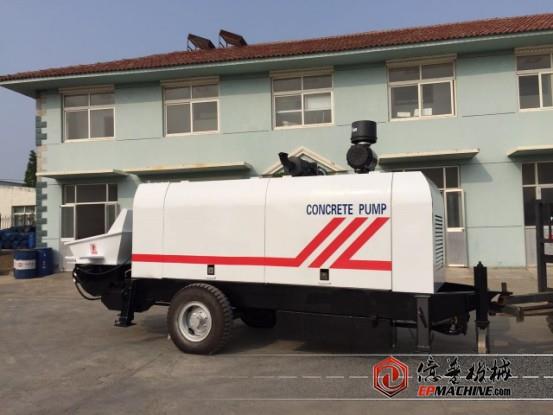
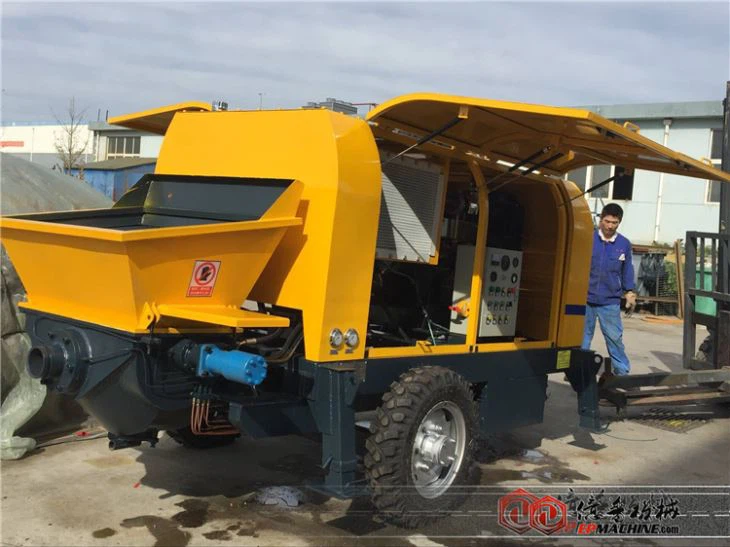
Now, let's talk about the HBT60 Concrete Pump. You can check out more details about it on our website HBT60 Concrete Pump. This pump is known for its reliability and efficiency. It's designed to handle a variety of concrete types and is widely used in construction sites around the world.
So, can the HBT60 Concrete Pump handle self - compacting concrete? The short answer is yes, but there are a few things to consider.
Advantages of using HBT60 for self - compacting concrete
One of the main advantages is the pump's powerful pumping capacity. The HBT60 is built with a strong pumping system that can generate enough pressure to move the self - compacting concrete through the pipeline. Since SCC is more fluid than regular concrete, it can flow more easily through the pump and the pipes. This means less wear and tear on the pump components, which can extend the pump's lifespan.
Another advantage is the precision of the HBT60. It has a well - controlled pumping speed and pressure, which is crucial when working with self - compacting concrete. SCC needs to be placed at a consistent rate to ensure proper filling and consolidation. The HBT60 allows for accurate control of the concrete flow, reducing the risk of over - or under - pumping.
Challenges and considerations
However, there are some challenges too. Self - compacting concrete has a different rheological behavior compared to normal concrete. It's more sensitive to changes in temperature, humidity, and the quality of the raw materials. For example, if the SCC is too thick or too thin, it can affect the pumping process. To deal with this, it's important to have a good quality control system in place. Regularly test the SCC before pumping to make sure it has the right consistency.
The pipeline layout also matters. When pumping self - compacting concrete with the HBT60, try to keep the pipeline as straight as possible. Bends and elbows in the pipeline can cause the concrete to slow down or even block the flow. If you have to use bends, make sure they have a large radius to minimize the resistance.
Maintenance is another key aspect. Although SCC is less abrasive than some other concrete types, it can still cause some wear on the pump parts over time. Regularly check the pump's valves, pistons, and hoses. Replace any worn - out parts promptly to keep the pump in good working condition.
Comparing with other pumps
There are other pumps in the market, like the Concrete Trailer Pump and Shotcrete Pump For Sale. While these pumps also have their own advantages, the HBT60 has some unique features that make it a great choice for pumping self - compacting concrete.
The Concrete Trailer Pump is more mobile, which is great for small - scale projects. But when it comes to handling large volumes of self - compacting concrete, the HBT60's higher pumping capacity gives it an edge. The Shotcrete Pump, on the other hand, is mainly designed for spraying concrete. It might not be as efficient as the HBT60 for continuous pumping of self - compacting concrete into formwork.
Real - world applications
In real - world construction projects, the HBT60 has been successfully used to pump self - compacting concrete. For example, in high - rise building construction, SCC is often used for columns and walls. The HBT60 can pump the SCC to the upper floors smoothly, ensuring a high - quality finish. In bridge construction, where complex formwork is involved, the pump's precision can help place the SCC accurately, reducing the need for manual intervention.
Tips for successful pumping
If you're planning to use the HBT60 Concrete Pump for self - compacting concrete, here are some tips:
- Mixing: Make sure the self - compacting concrete is well - mixed. Use a high - quality mixer to ensure a uniform consistency.
- Pipeline cleaning: Clean the pipeline thoroughly before and after each pumping session. This helps prevent the buildup of concrete residues, which can cause blockages.
- Operator training: Train your operators properly. They should understand the unique properties of self - compacting concrete and how to operate the HBT60 to handle it effectively.
Conclusion
In conclusion, the HBT60 Concrete Pump can definitely be used for pumping self - compacting concrete. It offers many advantages in terms of pumping capacity, precision, and reliability. However, you need to be aware of the challenges and take appropriate measures to ensure a successful pumping process.
If you're interested in using the HBT60 for your self - compacting concrete projects, feel free to reach out to us. We're here to provide you with all the information and support you need. Whether it's about pump selection, operation, or maintenance, we've got you covered. Let's work together to make your construction projects a success!
References
- Neville, A. M. (1995). Properties of Concrete. Pearson Education.
- ACI Committee 237. (2007). Guide to Self - Consolidating Concrete. American Concrete Institute.