

As a supplier of concrete mixer trucks, I've seen firsthand how crucial the design of mixing blades is for the overall quality of the concrete mix. In this blog, I'll break down how different mixing blade designs can affect the mixing quality and why it matters for your construction projects.
The Basics of Concrete Mixing
Before we dive into the blade designs, let's quickly go over what happens during the concrete mixing process. Concrete is made up of cement, water, aggregates (like sand and gravel), and sometimes additives. The goal of mixing is to combine these ingredients thoroughly so that the resulting concrete has a consistent texture and strength.
A concrete mixer truck is like a mobile factory. It keeps the concrete in a rotating drum during transportation to prevent it from setting prematurely. The mixing blades inside the drum play a key role in this process. They stir, lift, and tumble the concrete, ensuring that all the ingredients are evenly distributed.
Different Types of Mixing Blade Designs
There are several types of mixing blade designs, each with its own advantages and disadvantages. Let's take a look at some of the most common ones.
Helical Blades
Helical blades are the most widely used design in concrete mixer trucks. They are shaped like a helix or a spiral, which allows them to move the concrete in a continuous, circular motion. As the drum rotates, the helical blades lift the concrete from the bottom of the drum and push it up towards the top. This creates a tumbling effect that helps to mix the ingredients more thoroughly.
One of the main advantages of helical blades is their efficiency. They can mix the concrete quickly and evenly, reducing the mixing time and improving the overall productivity. However, helical blades can also cause some problems. If the blades are not designed properly, they can create a dead zone in the center of the drum where the concrete doesn't get mixed as well. This can lead to inconsistent mixing and a lower quality concrete.
Paddle Blades
Paddle blades are another popular design. They are flat or slightly curved blades that are attached to the inside of the drum. As the drum rotates, the paddle blades push and pull the concrete, creating a shearing action that helps to break up the clumps and mix the ingredients.
Paddle blades are known for their ability to produce a high-quality mix. They can mix the concrete more gently than helical blades, which is especially important for sensitive concrete mixtures that require a more delicate touch. However, paddle blades are generally less efficient than helical blades. They take longer to mix the concrete, which can reduce the productivity of the mixer truck.
Double Helical Blades
Double helical blades are a variation of the helical blade design. They consist of two helical blades that are arranged in opposite directions. This design creates a more complex mixing pattern, which helps to improve the mixing quality even further.
Double helical blades are particularly effective at mixing large volumes of concrete. They can reduce the mixing time and ensure that the concrete is mixed evenly throughout the drum. However, double helical blades are more expensive to manufacture and maintain than single helical blades.
How Blade Design Affects Mixing Quality
Now that we've looked at the different types of mixing blade designs, let's discuss how they can affect the mixing quality.
Homogeneity
The main goal of concrete mixing is to achieve a homogeneous mix, where all the ingredients are evenly distributed. The design of the mixing blades plays a crucial role in this process. A well-designed blade can ensure that the concrete is mixed thoroughly, reducing the variation in the composition of the mix.
For example, helical blades are very effective at creating a circular flow of concrete, which helps to distribute the ingredients evenly. However, as mentioned earlier, they can also create dead zones in the center of the drum. Paddle blades, on the other hand, can mix the concrete more gently and reduce the formation of dead zones, but they may not be as efficient at distributing the ingredients evenly.
Consistency
The consistency of the concrete mix is another important factor. A consistent mix ensures that the concrete has the same properties throughout, which is essential for achieving the desired strength and durability.

The design of the mixing blades can affect the consistency of the mix in several ways. For instance, the shape and size of the blades can determine how much shear force is applied to the concrete. Too much shear force can cause the concrete to become too fluid, while too little shear force can result in a dry and crumbly mix.
Aggregate Distribution
The distribution of aggregates in the concrete mix is also crucial for the quality of the final product. Aggregates provide strength and stability to the concrete, so it's important that they are evenly distributed throughout the mix.
The design of the mixing blades can influence the aggregate distribution. For example, helical blades can lift and tumble the aggregates, helping to distribute them more evenly. Paddle blades, on the other hand, can break up the clumps of aggregates and ensure that they are properly mixed with the other ingredients.
Choosing the Right Mixing Blade Design
When choosing a concrete mixer truck, it's important to consider the type of mixing blade design that best suits your needs. Here are some factors to keep in mind.
Type of Concrete
The type of concrete you are mixing will have a big impact on the choice of mixing blade design. For example, if you are mixing a high-strength concrete that requires a more thorough mixing, you may want to choose a double helical blade design. If you are mixing a more sensitive concrete mixture, such as a self-compacting concrete, a paddle blade design may be more suitable.
Mixing Capacity
The mixing capacity of the concrete mixer truck is another important factor. If you need to mix large volumes of concrete, a helical or double helical blade design may be more efficient. If you only need to mix small volumes of concrete, a paddle blade design may be sufficient.
Budget
The cost of the mixing blade design is also a consideration. Double helical blade designs are generally more expensive than single helical or paddle blade designs. You'll need to balance your budget with the performance requirements of your project.
Our Concrete Mixer Trucks
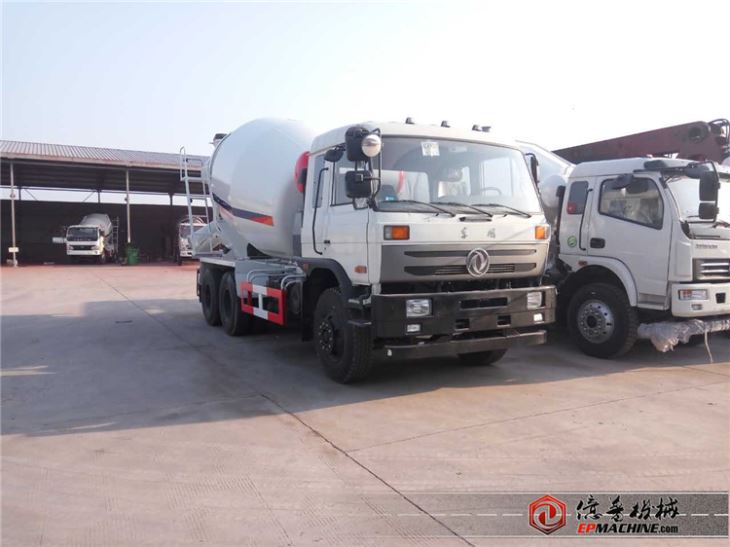
At our company, we offer a wide range of concrete mixer trucks with different mixing blade designs to meet the needs of our customers. Whether you're looking for a Howo Concrete Mixer Truck, a Foton Concrete Mixer Truck, or a Dongfeng Concrete Mixer Truck, we have the right solution for you.
Our trucks are designed with the latest technology and high-quality materials to ensure reliable performance and long service life. We also offer comprehensive after-sales support to help you keep your truck in top condition.
Conclusion
The design of the mixing blades in a concrete mixer truck has a significant impact on the mixing quality. By choosing the right blade design, you can ensure that your concrete is mixed thoroughly, consistently, and efficiently. Whether you're a small construction company or a large infrastructure project, the quality of your concrete can make a big difference in the success of your project.
If you're interested in learning more about our concrete mixer trucks or have any questions about mixing blade designs, please don't hesitate to contact us. We're here to help you find the best solution for your needs.
References
- Neville, A. M. (2011). Properties of Concrete. Pearson Education.
- ACI Committee 211. (2014). Standard Practice for Selecting Proportions for Normal, Heavyweight, and Mass Concrete. American Concrete Institute.